

What is Affiliate Marketing?
Affiliate marketing is an online marketing strategy in which an advertiser pays commission to affiliates for promoting their products or services. In affiliate marketing, the advertiser provides a unique affiliate link to the affiliate, which the affiliate uses to promote the product or service to their audience.
When a user clicks on the affiliate link and makes a purchase or performs a desired action, such as filling out a form or subscribing to a service, the affiliate earns a commission. The commission rate is typically a percentage of the sale or a fixed amount for each action.
Affiliate marketing is beneficial for both the advertiser and the affiliate. Advertisers can reach a wider audience and increase sales without the need for additional marketing efforts, while affiliates can earn a passive income by promoting products or services that align with their niche or audience.
Affiliate marketing is prevalent in e-commerce, where advertisers offer affiliate programs to influencers, bloggers, and content creators who promote their products on social media, blogs, or other online platforms. Affiliate marketing is also used by online marketplaces such as Amazon, where affiliates earn a commission for promoting and selling Amazon products.
However, affiliate marketing can also be challenging as affiliates need to ensure that the products or services they promote are of high quality and relevant to their audience. Advertisers also need to monitor their affiliate programs to prevent fraudulent activities or unethical practices. Therefore, effective management and monitoring of affiliate marketing campaigns are crucial for their success.
CPA: Cost Per Action/Acquisition
CPA, which stands for Cost Per Action, is a marketing strategy that allows advertisers to only pay when a specific action is taken by the audience, rather than just paying for ad impressions or clicks. The action can vary depending on the advertiser’s goal, such as filling out a form, making a purchase, or downloading an app.
In CPA marketing, the advertiser works with a publisher or affiliate who promotes their product or service to their audience. The publisher earns a commission for each successful action taken by their audience. This commission is usually a percentage of the sale or a fixed amount for each action.
CPA marketing can be an effective way for advertisers to acquire new customers and generate leads, as they only pay for successful actions taken by the audience. The publisher also benefits from CPA marketing, as they can earn a commission without having to sell the product or service themselves.
However, CPA marketing can be challenging for advertisers as they need to ensure that the actions taken by the audience are of high quality and relevant to their business goals. Advertisers may also need to work with multiple publishers to reach a wider audience and achieve their CPA targets. Therefore, proper planning and management of CPA marketing campaigns are crucial for their success.
CPC: Cost Per Click
CPC, which stands for Cost Per Click, is a metric used in online advertising. It refers to the amount an advertiser pays each time someone clicks on their ad. The CPC is calculated by dividing the total cost of the ad campaign by the number of clicks.
CPC is used by advertisers as a way to drive traffic to their website or landing page. They only pay when someone clicks on their ad, which makes it a performance-based metric. CPC can vary depending on various factors such as the competition for ad placement, the relevancy of the ad to the target audience, and the quality of the ad itself.
CPC is a popular metric in search engine advertising, such as Google AdWords, where advertisers bid on specific keywords related to their product or service. The higher the bid, the more likely the ad will be shown to potential customers. CPC is an effective way for advertisers to control their advertising costs and measure the return on investment (ROI) of their ad campaigns.
CPM: Cost Per Mille
CPM, which stands for Cost Per Mille or Cost Per Thousand, refers to the cost an advertiser pays for every thousand impressions of their ad on user-opened pages. An impression is a unique appearance of an ad in internet marketing. CPM is a fundamental metric that serves as the basis for calculating more complex metrics.
When running a CPM campaign, an advertiser pays a fixed amount for every thousand unique impressions. The CPM is calculated by dividing the total cost of ad placement by the number of thousands of views. However, determining whether a CPM is expensive or cheap depends on various factors such as the geography of the ad display, the websites’ topics, the quality of the ad itself, and even the season of placement. These factors can affect the price in both directions.
CPM campaigns aim to increase brand visibility and awareness, and the metric makes it easy to calculate the maximum number of people who can learn about the product on the advertising budget. However, the cost of actions those people will take is out of the advertiser’s control. Therefore, any profit calculated from such a campaign will only be approximate.
Clean Affiliate Marketing
Affiliate marketing can be a legitimate and clean way for businesses to promote their products and services and for individuals to earn income through commissions. In clean affiliate marketing practices, advertisers and affiliates adhere to ethical and legal guidelines to promote products honestly and transparently.
In clean affiliate marketing, advertisers provide accurate information about their products or services, and affiliates promote them honestly and transparently. This means that affiliates disclose their affiliation with the advertiser and provide truthful information about the products they are promoting. They do not use deceptive or misleading tactics to encourage users to click on their links or make purchases.
Clean affiliate marketing also involves adhering to legal guidelines and regulations, such as the Federal Trade Commission’s (FTC) guidelines on endorsements and testimonials. This requires affiliates to disclose their relationship with the advertiser, such as by using phrases like “affiliate link” or “sponsored,” to ensure that users are aware that they may earn commissions from the sale.
Additionally, in clean affiliate marketing, advertisers and affiliates work together to build trust and credibility with their audience. This means providing value to users through informative content, reviews, and recommendations that help them make informed decisions about the products or services they are interested in.
Overall, clean affiliate marketing involves ethical and transparent practices that prioritize providing value to users and promoting products honestly and accurately.
Dirty Affiliate Marketing
Dirty affiliate marketing involves using unethical or illegal tactics to promote products or services and earn commissions. These tactics can include misleading users, using spam or unsolicited emails, and making false or exaggerated claims about the product or service being promoted.
One common dirty affiliate marketing tactic is using misleading or clickbait headlines to encourage users to click on affiliate links. For example, an affiliate may use a headline like “You won’t believe what this product can do!” to lure users into clicking on their link, even if the product is not actually capable of doing what the headline claims.
Another dirty tactic is using spam or unsolicited emails to promote products to users. This involves sending unsolicited emails to users, often without their consent, to promote a product or service. This tactic can be annoying and intrusive for users, and it violates ethical and legal guidelines for email marketing.
Dirty affiliate marketing can also involve making false or exaggerated claims about the product or service being promoted. This can include making unrealistic promises about the benefits of the product or service or using fake reviews and testimonials to deceive users.
Overall, dirty affiliate marketing involves using unethical or illegal tactics to promote products or services and earn commissions. It prioritizes earning commissions over providing value to users and can harm the reputation of both the advertiser and the affiliate.
Misleading Affiliate Marketing
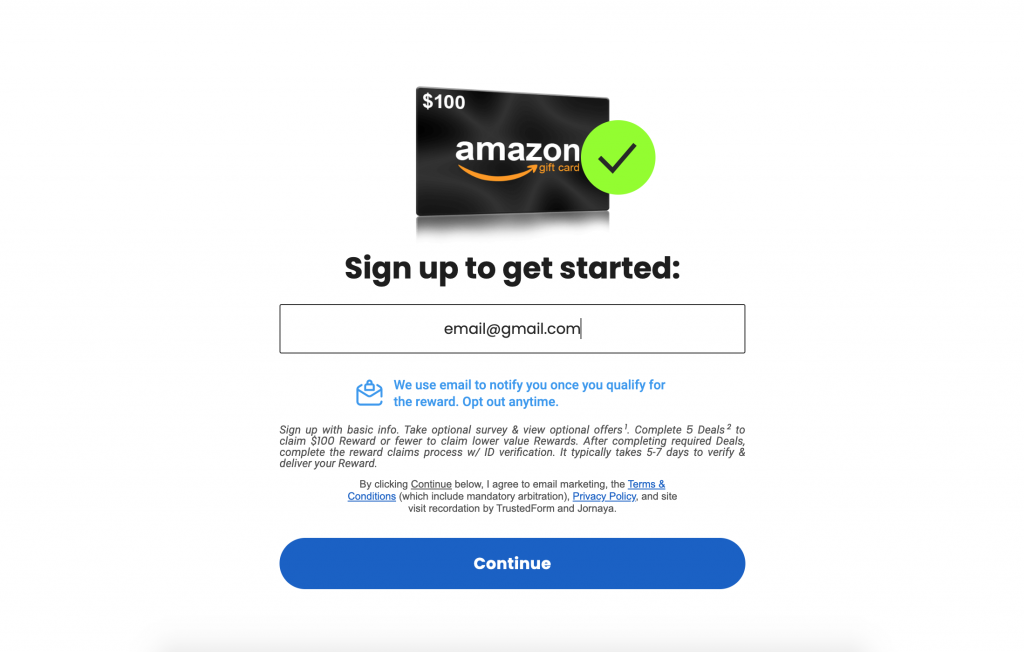
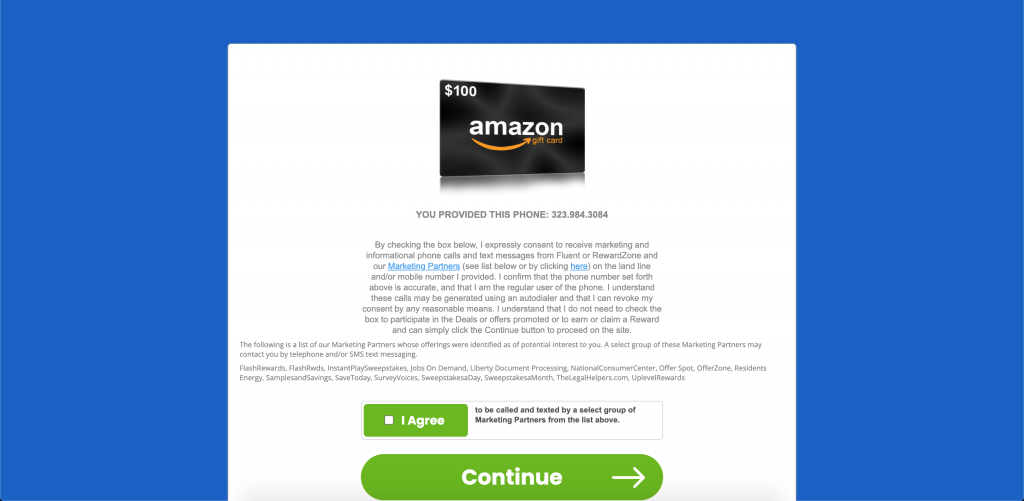
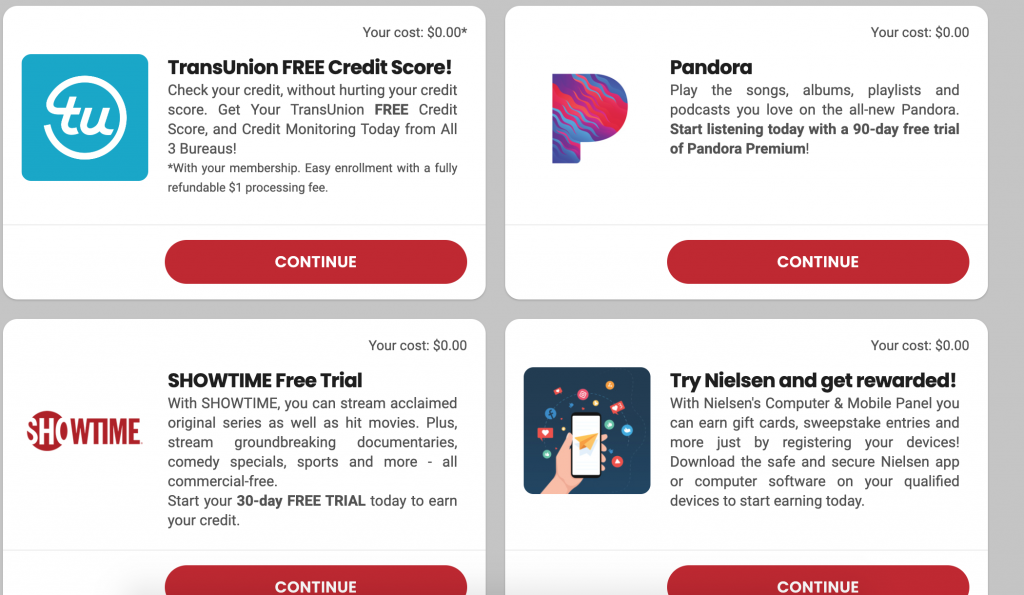
Affiliate marketing doesn’t necessarily have to involve unethical tactics to be considered “dirty”. One common form of dirty affiliate marketing is the use of misleading perks to lure in users. Although the perks may technically be legitimate, they often come with hidden terms and conditions that benefit the affiliate more than the user. Often, these marketers will target older individuals who may be less savvy about affiliate marketing practices. To an unsuspecting user, these sites may appear to be legitimate rewards programs offering rewards for completing simple tasks. Unfortunately, many of these sites employ misleading tactics to profit at the expense of their users. The example below illustrates one such affiliate website that uses deceptive practices to generate profits.

* which then points out “UPON COMPLETION OF PURCHASE & PROGRAM REQUIREMENTS”…

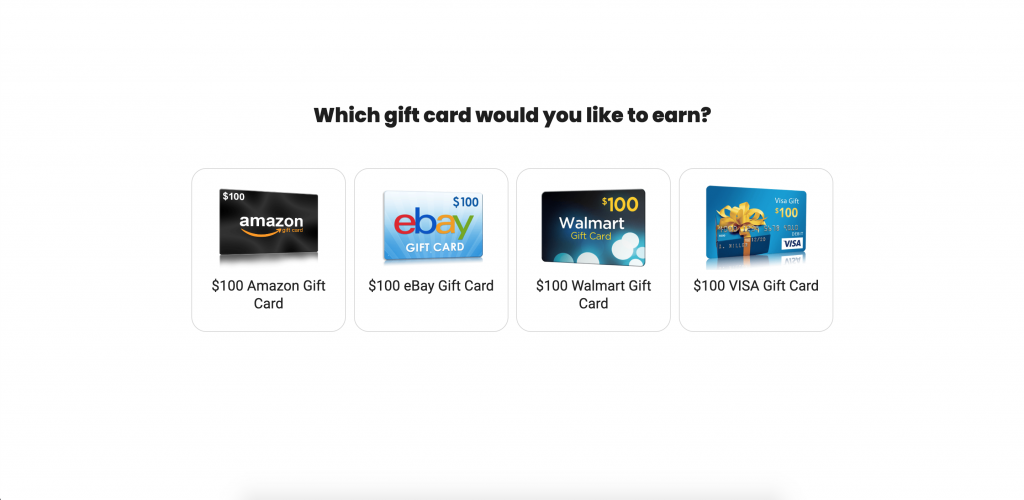

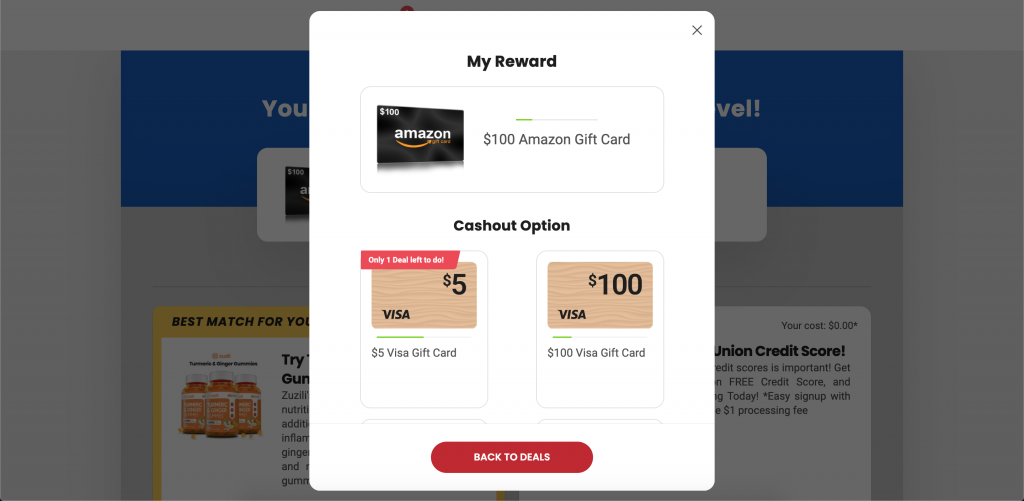
What is my problem with the above Affiliate Marketing website?
While I have no issue with affiliate marketing as a business model, I take issue with affiliate marketing websites that offer incentives that are not truly attainable. While it is technically possible to obtain these perks by completing the required deals, many users do not fully understand the process outlined in the fine print. These websites are aware of this and knowingly promote these offers without proper disclosure. While some may not view this as problematic, I see it as a dishonest practice and hope that it will be eliminated from the industry in the future.
How can I protect myself from Affiliate Marketing?…
There are several ways for people to steer clear of affiliate advertising if they wish to avoid it. Here are some tips:
- Be wary of sponsored content: Sponsored content is content that has been paid for by a brand or advertiser. It often includes affiliate links, so if you want to avoid affiliate advertising, be cautious when you come across sponsored content.
- Use ad-blockers: Ad-blockers are software tools that can prevent ads from appearing on websites. By using ad-blockers, you can avoid seeing ads, including affiliate advertising.
- Read the fine print: If you are signing up for a service or making a purchase online, be sure to read the terms and conditions carefully. Look for language that suggests the presence of affiliate links or commissions.
- Don’t click on unfamiliar links: If you receive an email or message with a link to a product or service you’ve never heard of before, be cautious. These links may lead to affiliate websites or scams.
- Disable cookies: Cookies are small text files that websites store on your computer to remember your preferences and browsing habits. Affiliate links can be embedded in cookies, so by disabling them, you can prevent affiliate advertising from targeting you.
In summary, avoiding affiliate advertising requires a degree of caution and skepticism when encountering sponsored content or unfamiliar links. By using ad-blockers, reading terms and conditions, and disabling cookies, you can limit your exposure to affiliate advertising.